Paver Sanding & Sealing in Clementon, Medford, Cherry Hill, & Moorestown, NJ
Polymeric joint sand and paver sealing across South Jersey. Stop weeds, lock the pavers in place, and bring the color back.
Quality craftsmanship. Competitive pricing.
Why Choose Us for Sand & Seal
Joints Locked Tight
Polymeric sand packed into clean, dry joints sets up hard. No weeds, no ant hills, no shifting pavers.
Sealer That Lasts
Proper prep, the right product for your paver, and clean application. No cloudy haze, no peeling.
Done in the Right Window
South Jersey weather matters. I plan around dew, rain, and humidity so the sand and sealer cure right.
Featured Services
Paver Sanding & Sealing in Clementon, Medford, Cherry Hill, & Moorestown, NJ
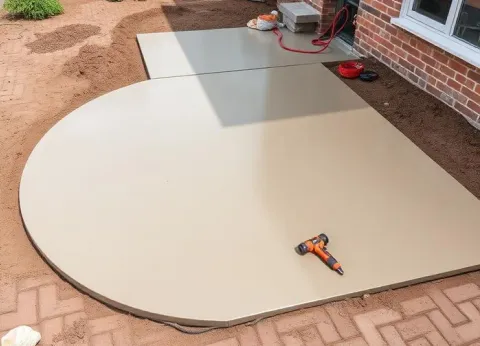
Concrete cleaning, repair, and restoration services.
Learn More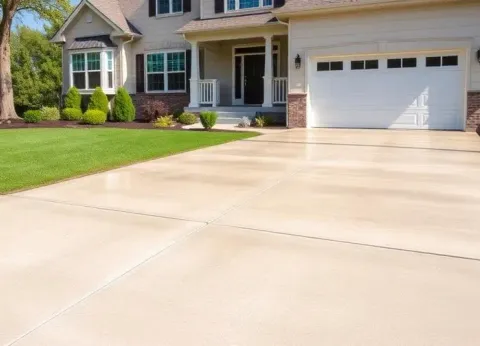
Concrete Driveways
Professional driveway cleaning and restoration.
Learn More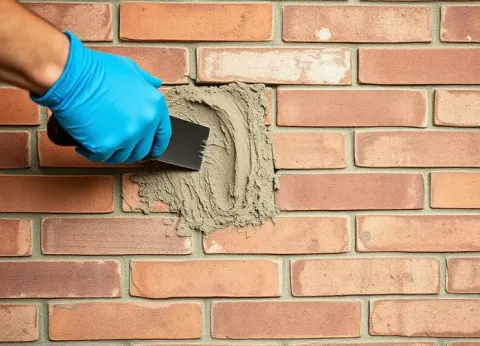
Masonry
Brick and stone work, repair, and cleaning.
Learn More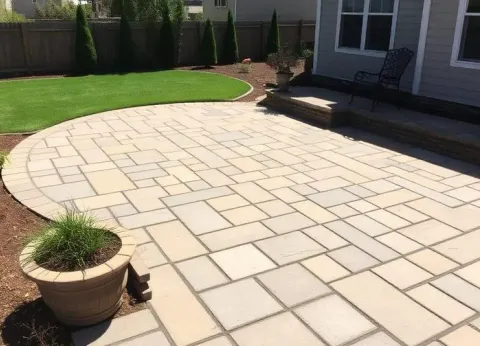
Paver Restoration
Bring your pavers back to life with deep cleaning.
Learn More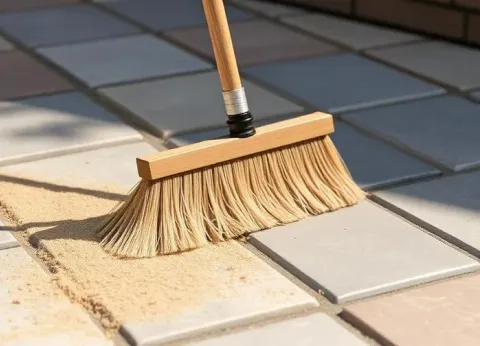
Paver Sand & Sealing
Re-sand joints and seal pavers for lasting protection.
Learn More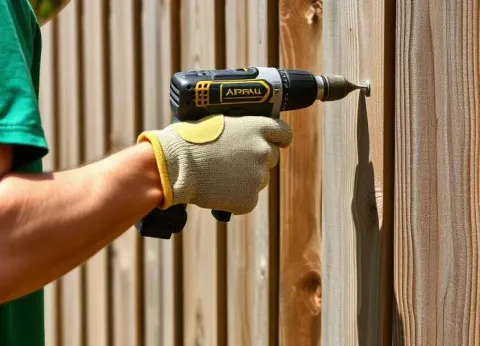
Fence Repair
Repair and restore wood, vinyl, and metal fencing.
Learn More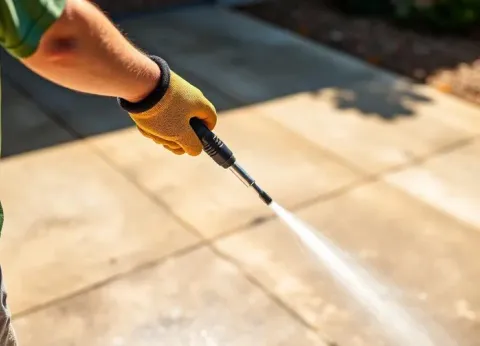
Pressure Washing
Driveways, patios, siding, and fences restored to like-new.
Learn More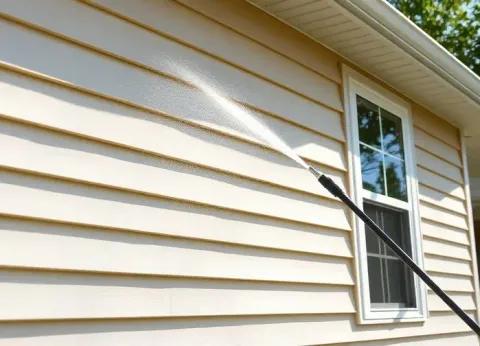
House Soft Wash
Gentle exterior cleaning that protects paint and siding.
Learn More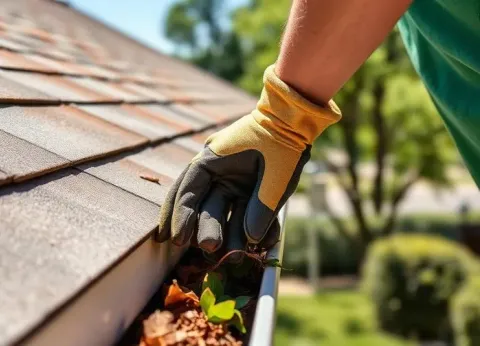
Gutter Cleaning
Clear gutters and downspouts to prevent water damage.
Learn More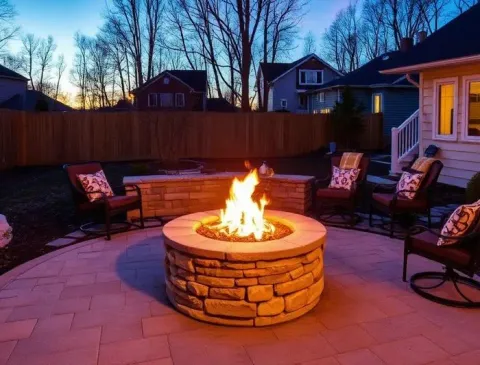
Custom Fire Pits
Custom-built outdoor fire pits and patio fire features.
Learn MorePaver Sanding and Sealing in South New Jersey
Most paver patios and driveways in South Jersey were laid down 10 or 15 years ago and have not had the joints touched since. The original sand washed out, weeds moved in, ants tunneled under, and a few pavers started rocking when you walk on them. The fix is not ripping the patio out. The fix is a proper clean, fresh polymeric sand packed into the joints, and a coat of sealer to lock it all in. After 25 years working hardscape in Cherry Hill, Marlton, Voorhees, and the rest of South Jersey, I can tell you the joint is what makes or breaks a paver install.
The biggest mistake I see is regular play sand or mason sand swept into paver joints. It looks fine the first month. By the next heavy rain it is washing into the lawn, by the following spring there are dandelions growing in every joint. Polymeric sand changed the game because it actually binds together when you mist it. Done right, the joints stay locked for years.
Cleaning Out The Old Joints
Before any new sand goes in, the old failing material has to come out. I use a pressure washer with the right tip and a joint scraper to pull out the spent sand, weeds, moss, and roots. On a Marlton patio that has not been touched in a decade, this step alone takes time, but skipping it is why so many DIY sand jobs fail in a season. The pavers also have to dry fully before the new sand goes in. Damp joints will set polymeric prematurely and you end up with a crusty, weak bond.
Polymeric Sand Application
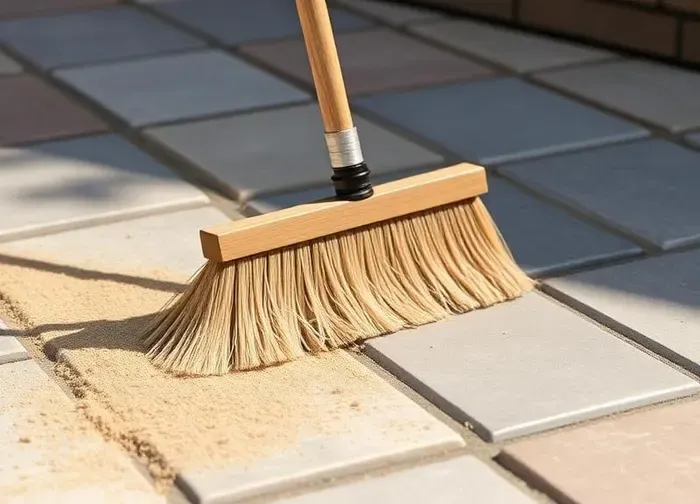
Sand goes in dry, swept into every joint, then knocked down with a plate compactor over a protective pad so it settles tight. I sweep more in until the joints are full to about an eighth inch below the paver chamfer. Then comes the misting. Light, even passes with a fan spray, just enough to activate the binder without flooding the joints and washing the sand right back out. After cure, the joints are firm enough to stand up to South Jersey rain, freeze thaw, and the occasional wheelbarrow load.
Choosing The Right Sealer
Not every paver wants the same sealer. Concrete pavers, clay pavers, and natural stone all behave differently. I match the product to the surface and to what the customer wants out of it. Some folks want the wet look that pops the color, others want a natural matte finish that just protects the surface. Either way, the sealer has to be breathable so vapor coming up from the base does not get trapped and turn the pavers cloudy white. That milky look is one of the most common bad seal jobs I get called to fix in Cherry Hill and Voorhees.
Sealer Application And Cure
Sealer goes on with a low pressure sprayer or roller in thin, even coats. Two light coats hold up better than one heavy one. I keep foot traffic off for 24 hours and vehicles off for 48 to 72 depending on the product and the temperature. Doing it during a clean weather window matters in South Jersey, where a surprise summer thunderstorm can ruin a fresh seal coat. I check the forecast hour by hour before I commit to a seal day, and I will reschedule if the weather is iffy. The cost of doing it twice is not worth saving a day on the calendar.
Lock Your Pavers In TightReady to Lock Your Pavers In for Good?
Free walkthrough, honest read on whether you need a full restoration or just a fresh sand and seal, and a price you can plan around.
Paver Sanding & Sealing in the Surrounding Cities
Frequently Asked Questions
Get Your Free Sand & Seal Quote
Fast response times. Fair pricing. Satisfaction guaranteed.